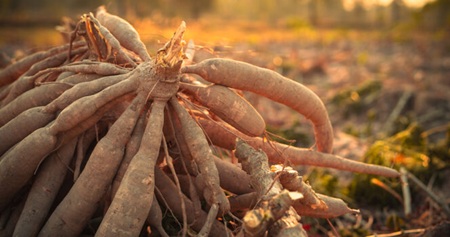
Cassava, also known as yuca or manioc, is a starchy tuber that serves as a staple food for over 800 million people in around 80 countries, particularly in Africa, Latin America, and Southeast Asia.
Symptoms include dizziness, headaches, nausea, rapid breathing, goiters, paralysis, and in severe cases, death.
The World Health Organization estimates that around 200 people die from cassava poisoning each year, earning it the unfortunate distinction of the “world’s deadliest food.”
Despite these dangers, cassava is a lifeline. It grows in poor soil conditions, is highly drought-resistant, and provides a rich source of carbohydrates essential for survival.
When processed correctly—through peeling, soaking, fermenting, drying, or boiling—the cyanide content is drastically reduced, making it safe to eat. For many people, avoiding cassava is not an option;
it is an essential source of calories and nutrition, highlighting the complex balance between risk and necessity in human diets.Continue reading…
