Acting U.S. Attorney Joseph H. Thompson called the fraud: “One of the largest and most consequential criminal operations ever uncovered in Minnesota.” Thompson emphasized that the case highlights systemic vulnerabilities: Weak communication between the state and federal government. Insufficient follow-up on red flags. Overreliance on self-reported nonprofit data. Emergency conditions that bypassed traditional safeguards
He added that the case should serve as a warning: “When large sums of money are released rapidly under crisis conditions, oversight must be stronger — not weaker.”
Public Reaction: Concern, Anger, and Growing Calls for Reform
Parents who relied on child-nutrition programs during the pandemic have spoken out, saying they feel betrayed that resources meant to support families in hardship were diverted for personal gain. Political divisions have widened as lawmakers debate where the blame should fall — with some targeting state leadership and others pointing to federal policy shortcomings during the pandemic.
A Subpoena That Could Shape the Next Phase of the Investigation
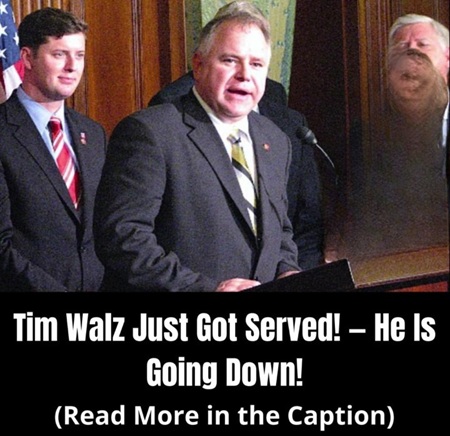
The subpoena to Governor Walz could prove decisive. Legal experts note that: It represents a rare escalation against a sitting governor. It signals bipartisan concern regarding oversight failures. It suggests Congress believes important information is still missing. It may lead to public hearings or testimony. It could influence future federal oversight legislation
What Walz’s office provides — or fails to provide — may shape the trajectory of the investigation.
As the federal investigation intensifies, one fact has become increasingly clear:
The Feeding Our Future scandal is not just a Minnesota story anymore.
It is now viewed as a case study in how emergency federal relief programs can be vulnerable to manipulation, especially during times of crisis when oversight systems are stretched thin and the urgency to distribute aid is high.
Policy experts, legal analysts, and former federal officials have highlighted the broader risks: Pandemic-era flexibility may have unintentionally opened doors to large-scale exploitation. Oversight agencies were often understaffed during COVID-19. Staffing shortages in Minnesota’s Department of Education increased vulnerability. Federal agencies lacked real-time auditing tools. Nonprofits rapidly expanded food-distribution claims without verification
A bipartisan consensus has gradually formed in Washington: Federal relief systems need an overhaul, and the Feeding Our Future case may become the catalyst for reforms that shape future emergency response policies.