
While the defense speaks of trauma, youth, and psychological damage, the Slemmer family carries a different burden — the burden of unimaginable loss.
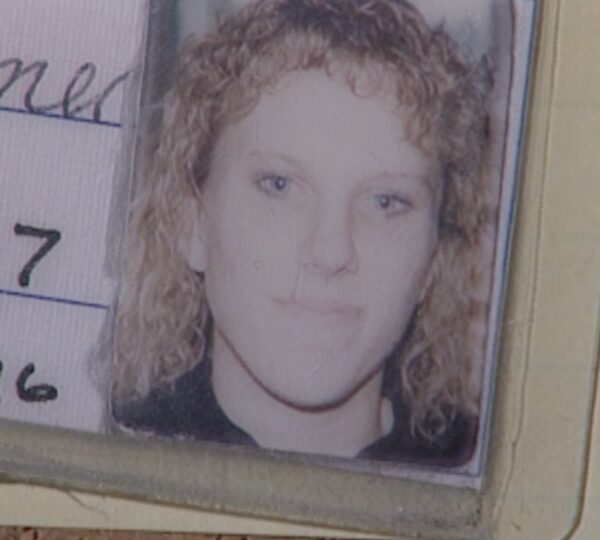
Her mother once said in an interview:
“People ask me how I feel. The truth is, I stopped feeling anything the day she died.”
For the Slemmer family, justice has taken far too long.
Every delay, every appeal, every legal technicality has reopened wounds that never fully heal.
They read the crime scene reports.
They saw the autopsy findings.
They learned of the pentagram carved into their daughter’s chest.
They heard about the skull fragment kept as a morbid souvenir.
To them, the question is simple:
How can mercy be asked for someone who showed none?
They believe Christa Pike’s sentence is not only lawful — but necessary.
Necessary for closure.
Necessary for justice.
Necessary to honor the daughter they lost.
A Case That Touched National Debates
As the execution date approaches, legal scholars, activists, and commentators across the country have reignited debates that are far bigger than one crime or one defendant.
1. Should the death penalty apply to offenders who were 18 at the time of the crime?
Neuroscientists argue that the prefrontal cortex — the part of the brain that controls decision-making, impulse control, and long-term judgment — is not fully developed until the mid-20s.
2. How should untreated trauma be weighed in sentencing?
Christa’s childhood was described by professionals as:
-
“a cycle of chaos”
-
“a home without safety”
-
“a roadmap of trauma leading straight into disaster”
Some psychologists argue she never had a fighting chance.
