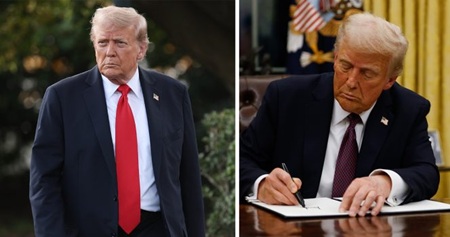
“A dividend of at least $2000 a person (not including high income people!) will be paid to everyone.” With those few words, Trump transformed a complicated economic discussion into a deeply personal one. Suddenly, the focus was not on macroeconomics, but on households. Not on national revenue, but on individual relief. Political analysts immediately noted that the pledge could become one of the most memorable promises in modern American history—if it happens.
Why the Word “Dividend” Matters
Symbolically, it positions Trump as someone sharing the nation’s success with ordinary Americans. Strategically, it sets the stage for a political narrative centered on direct benefit—something citizens will remember long after speeches and debates fade. But practically, it raises major questions:
-
Is tariff revenue stable enough to fund such payments?
-
Can the government legally distribute money this way?
-
Would Congress approve a massive payout?
-
Who exactly qualifies as “high income” and therefore excluded?
Those questions lead us to the core of the controversy.
