Southwick-King, for example, suffered a lip lump that interfered with basic functions like speaking and drinking. Serrano earned the nickname “Dr. Jiffy Lube” for his use of industrial materials and the grotesque effects of his treatments. In 2004, he was federally indicted on charges including drug smuggling, conspiracy, and administration of unapproved substances, ultimately receiving an 18-month prison sentence. Despite his incarceration, the damage done to his victims was permanent, a stark reminder of the dangers of unregulated cosmetic procedures.
The Public Response and Presley’s Courage
Following the exposure of Serrano’s crimes, Presley publicly confirmed her victimization, supported by statements from her representatives. She was not alone in speaking out; Ellen Lavinthal, another victim, described Serrano as “charming” and highly manipulative, highlighting his ability to exploit the trust of women seeking cosmetic enhancement. The story sent shockwaves across Hollywood and the public, illustrating how even the most iconic figures could fall prey to deception when seeking beauty enhancements.


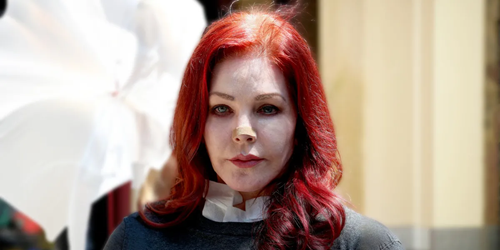
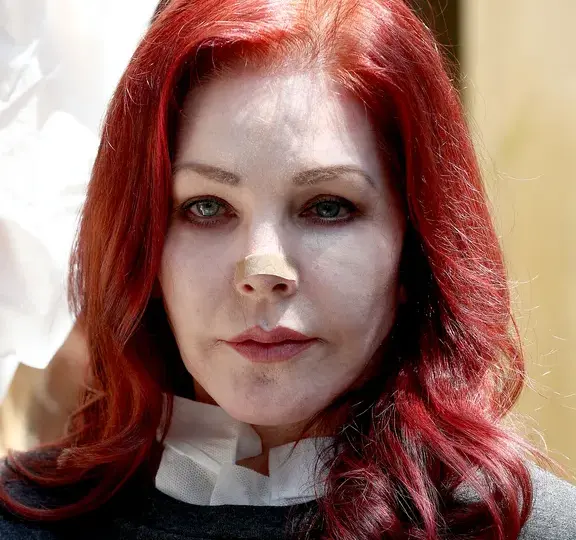
For Presley, the consequences were enduring. Her once-flawless visage had been permanently altered, and over the years, public scrutiny intensified. Clips of her appearances on shows like The Tamron Hall Show went viral on social media, often attracting cruel commentary about her facial changes. Netizens commented with shock and dismay: “What’s wrong with her face?” “She’s all Botox,” and “She used to be such a beautiful woman; she destroyed her face with plastic surgery.” These reactions underscore not only the public’s fascination with celebrity appearance but also the cruelty that can accompany fame.
Presley’s Iconic Early Beauty
Priscilla Presley’s early life and career offer a stark contrast to her later cosmetic struggles. At just 21, when she married Elvis Presley in 1967, she embodied a classic, natural beauty. Her dark hair, striking blue eyes, and symmetrical facial features made her a media darling, and she maintained this allure through the 1970s. Even after transitioning to blonde hair in the 1980s, Presley retained her elegance and charm, defying conventional age expectations. Her public appearances reflected poise, sophistication, and a confidence rooted in authenticity, which resonated deeply with fans worldwide.
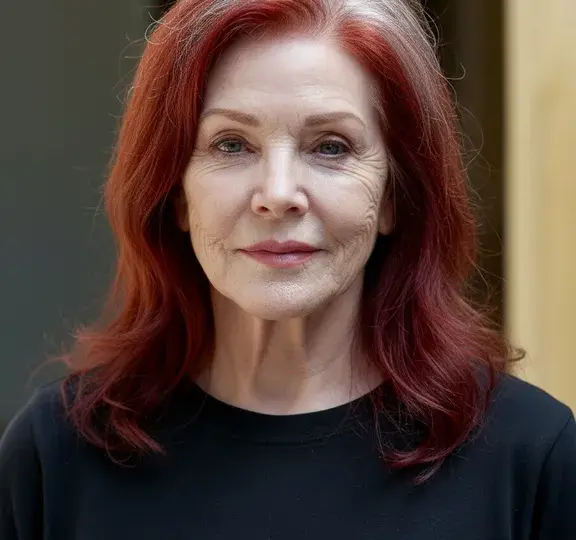
Advancements in artificial intelligence now allow a digital reimagining of Presley as she might have appeared had she aged naturally, free from the impact of Serrano’s interventions. These AI reconstructions retain her distinctive features—her expressive eyes, her elegant facial contours, and the natural lines that would have come with age. Crow’s feet, subtle wrinkles, and minor skin laxity are preserved, creating a realistic and respectful depiction of aging. Unlike her real-world photos post-surgery, the AI version reflects a harmonious blend of maturity and natural beauty, demonstrating how gracefully she could have transitioned through the decades.
The AI recreations also highlight an important cultural lesson: beauty standards and public perception are often distorted by external pressures and cosmetic interventions. While Presley may have chosen more subtle or safer enhancements over time, these digital renderings illustrate the beauty inherent in natural aging. They serve as a reminder that human features, even as they change, carry dignity and character that cannot be replicated through synthetic procedures.
Reflections on Celebrity, Beauty, and Vulnerability
Presley’s experience is a cautionary tale about the pressures placed on women in the public eye, particularly those revered for their appearance. Celebrities are frequently targeted by opportunists, and the consequences can be lasting. Beyond the individual tragedy, Presley’s story sparks broader discussion about the ethics of cosmetic procedures, the responsibility of medical practitioners, and society’s obsession with youth and perfection.
At 80 years old, Priscilla Presley continues to command attention—not solely for her appearance but for her resilience, grace, and enduring cultural significance. The AI renderings offer a poignant reflection on what might have been while underscoring that true beauty encompasses authenticity, lived experience, and dignity. Fans and observers are reminded that behind every public image lies a personal narrative, and that even in the face of exploitation and scandal, the essence of a person’s character remains intact.
A Legacy Beyond Surface Beauty
Ultimately, Presley’s journey reminds us that beauty is more than skin deep. Her early career captured a generation’s imagination, and while cosmetic interventions altered her visage, they could not erase the impact of her personality, her contributions to entertainment, or her role as a cultural icon. The AI recreations, then, are not merely exercises in aesthetic speculation; they are celebrations of her life, her natural aging process, and the timeless qualities that made her unforgettable.
