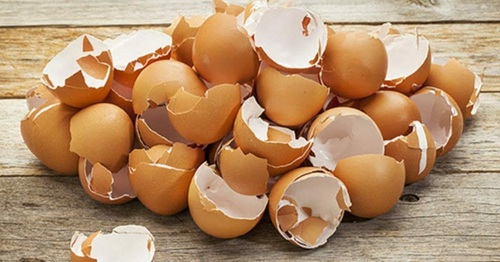
Did you know that eggshells are made up of about 95% calcium carbonate, along with small amounts of other essential minerals such as magnesium, potassium, zinc, and iron? These same minerals are crucial for maintaining healthy bones, teeth, and nails. Structurally, the eggshell is composed of three layers: a hard, outer shell made of calcium crystals, and two thin, inner membranes packed with keratin protein that serve as a barrier against bacteria. So, before you toss those shells into the bin, take a moment to consider how useful they can be. Below is a list of creative and practical ways to reuse eggshells — you might be surprised by how much they can do!
1. How to Prepare Eggshells for Eating
2. Easy Ways to Eat Crushed Eggshells
Eggshell powder has little to no taste, so it can be added to your favorite foods without altering their flavor. Try mixing a small pinch (around ½ teaspoon) into smoothies, oatmeal, yogurt, or soups. You can also stir it into baked goods or sprinkle a little over salads for a subtle calcium boost. However, moderation is essential. A small amount goes a long way — consuming too much calcium can strain your kidneys, so be careful not to overdo it.
