
This rescue was far from just a single act of kindness—it shone a spotlight on a pervasive and devastating issue. While the survival of this cub offered hope, it also underscored the grim reality facing tigers worldwide. According to conservation experts, fewer than 3,200 tigers remain in the wild today, their populations devastated by habitat loss, poaching, and illegal trafficking. Paradoxically, more tigers live in captivity in the United States—estimated at around 5,000—than survive in their natural habitats across Asia.
The trafficking networks behind these animals are highly organized, using covert routes to smuggle cubs across borders, sometimes hiding them in bags, crates, or cages in transit points like border crossings. The exploitation of wildlife in this way is a multifaceted crime, intersecting with issues of human trafficking, drug smuggling, and organized crime, complicating enforcement efforts.
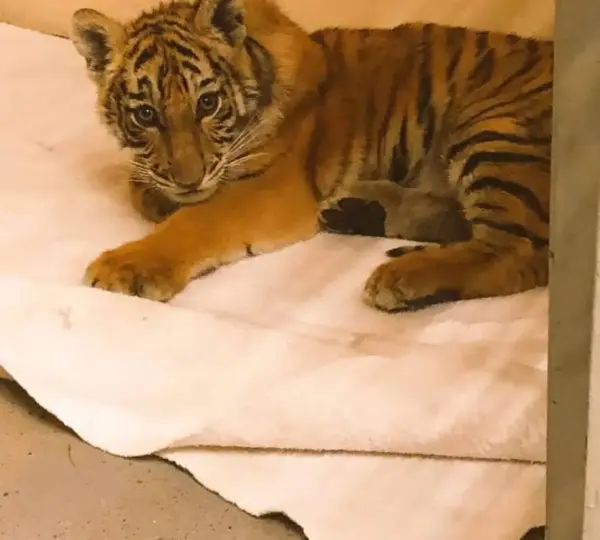
Zuko’s rescue, therefore, was not just about saving a single cub. It became a symbol of the broader fight against wildlife trafficking and the urgent need for enhanced law enforcement, international cooperation, and public awareness. Each rescued animal represents not only a life saved but also a victory against the shadowy global trade that threatens to wipe out endangered species.Continue reading…
