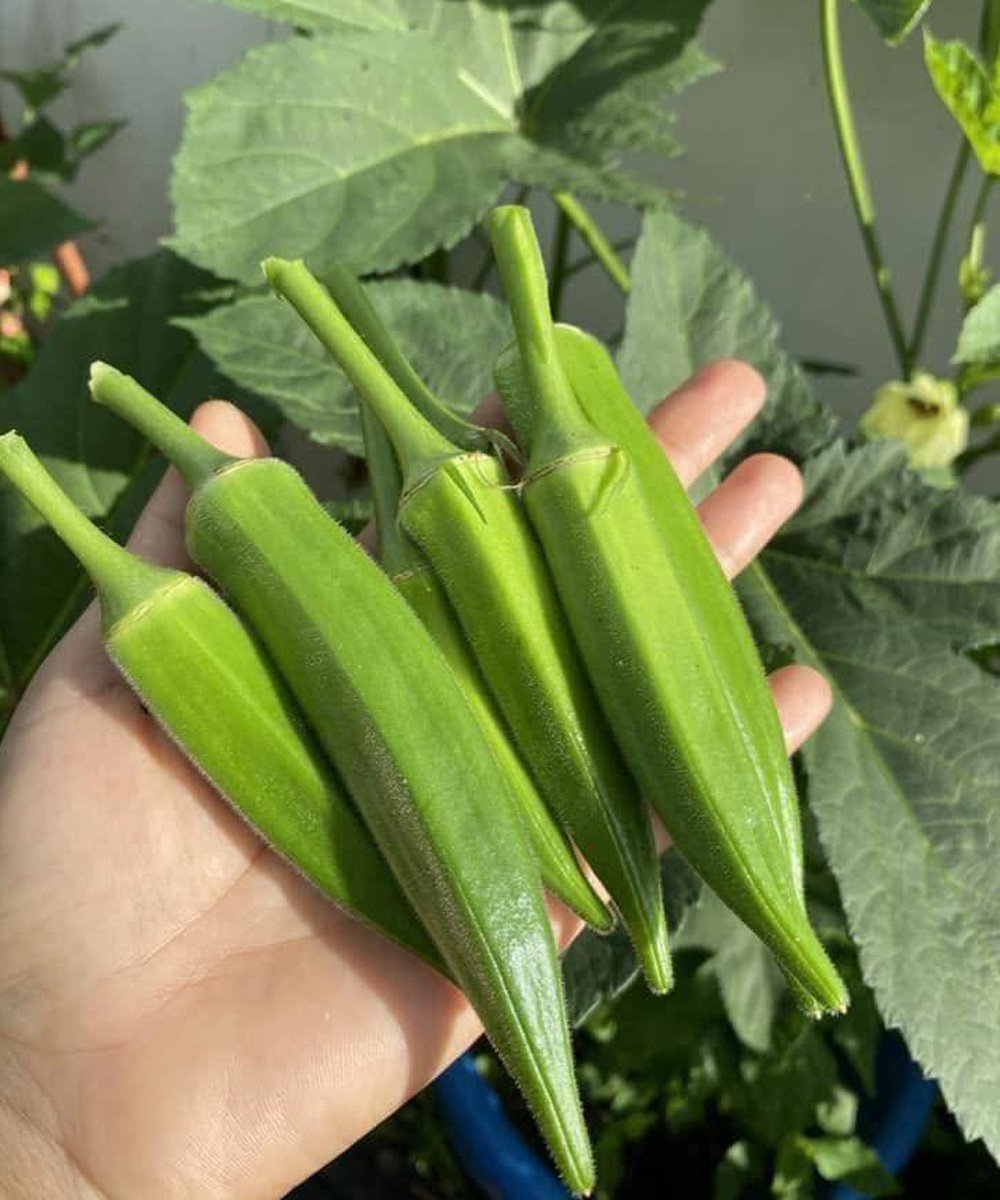
Okra doesn’t just support digestion and blood sugar — it also benefits the cardiovascular system.
Its high fiber content helps “sweep” excess cholesterol from the body, while its antioxidants protect blood vessel walls from damage caused by free radicals. This reduces the risk of hardened arteries and helps keep circulation strong.
4. Strengthens Immunity and Reduces Inflammation
Okra is naturally rich in vitamin C and flavonoids — compounds known for their immune-boosting and anti-inflammatory properties.
Vitamin C supports the body’s production of white blood cells and antibodies, helping you recover faster from common infections like colds or seasonal flu. The flavonoids found in okra add another layer of defense, reducing inflammation and protecting cells from oxidative stress.
It’s an especially good choice for older adults, people recovering from illness, or anyone who often feels fatigued or run-down.
5. Builds Strong Bones and Joints
Few people realize that okra contains vitamin K and folate, both essential for maintaining bone density and healthy connective tissue. Vitamin K helps the body use calcium properly, while folate supports the renewal of bone and joint tissue.
Regularly adding okra to your diet — especially for older adults, postmenopausal women, or those with joint discomfort — may help slow bone loss and strengthen mobility over time.
For even better results, combine okra with other calcium-rich foods such as small fish with edible bones, dark green vegetables, or low-fat dairy products. Light daily exercise, like walking or gentle stretching, also helps your body absorb calcium more effectively.
When to Limit or Avoid Okra
While okra is generally safe and highly nutritious, there are a few situations where moderation or medical advice is important.
