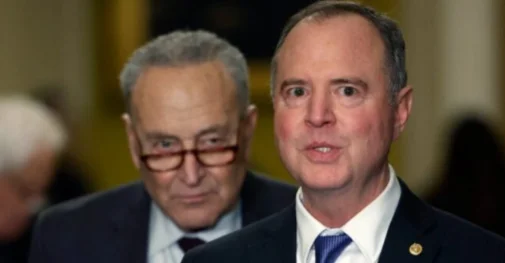
Furthermore, the whistleblower’s claim that the FBI ignored him also plays a significant role in shaping public perception. The idea that federal authorities knowingly overlooked serious allegations fits comfortably within broader political debates about institutional bias, selective enforcement, and accountability.
But no matter which perspective one leans toward, the underlying reality remains unchanged: the FBI has not publicly acknowledged or confirmed any part of the whistleblower’s story, and without verification, the claims cannot be treated as established fact.
Legal experts have contributed another dimension to the conversation by explaining the possible penalties that someone could face if convicted of mishandling classified information. These explanations often include references to fines of up to $250,000 per violation or potential prison sentences that could reach 20 years under certain statutes.
While these legal frameworks are real, they do not apply to Schiff in any official capacity at this time. No charges have been filed, no grand jury proceedings are known to exist, and no judicial body has taken action.
It is also worth noting that legal statutes involving classified material are highly complex and often require intent, motive, knowledge, and clear evidence of willful misconduct. Even if leaks occurred — which remains unproven — prosecutors would still need to demonstrate specific intent and satisfy strict legal standards.
These are not easy thresholds to meet, particularly when dealing with elected officials protected by the Speech or Debate Clause of the U.S. Constitution, which grants members of Congress certain immunities for actions taken in the course of legislative duties.Continue reading…
