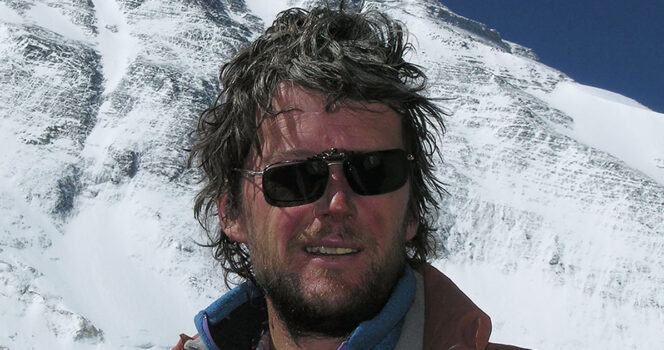
His story is one that challenged expectations, stunned the climbing community, and became a symbol of extraordinary human resilience.
In late May 2006, Hall joined an expedition attempting to reach the 8,848-meter peak of Mount Everest. It was a challenge he had dreamed about for years. But at an altitude of over 8,600 meters — a place known as the “death zone” — his dream turned into a nightmare.
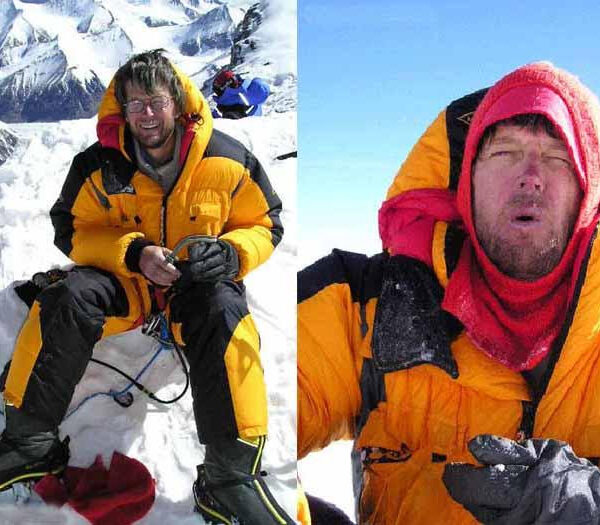
He began suffering from high-altitude cerebral edema, a dangerous swelling of the brain caused by extreme altitude.
His condition deteriorated quickly. He became confused, disoriented, and began hallucinating, the classic hallmark of a life-threatening condition. His Sherpa guides tried desperately to help him, doing everything in their power to keep him alive. But the storm rolled in, temperatures plunged, and night approached. Their oxygen supplies were nearly gone, and the cold was intolerable.Continue reading…
