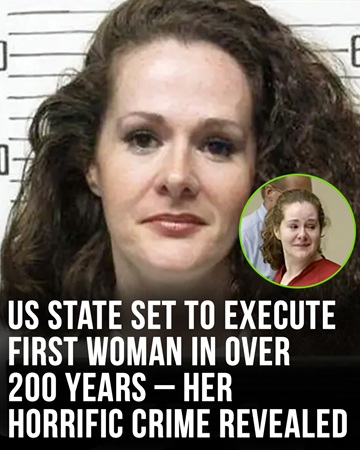
For nearly 30 years, Christa’s attorneys have fought through every legal avenue available. Court filings, motions, psychological evaluations, appeals, post-conviction petitions, and federal reviews — all have tried to shift the narrative from pure punishment to a deeper understanding of who Christa was at the time of the crime.
Their argument is not a denial of guilt. The facts of the case are well established, the evidence overwhelming, the brutality undeniable.
-
Christa was a teenager, barely past childhood
-
She had no stable parenting, no consistent support
-
Her formative years were shaped by physical abuse, emotional trauma, and repeated abandonment
-
She suffered untreated bipolar disorder
-
She met Tadaryl at a vulnerable moment, forming a relationship that psychologists later described as “emotionally fused and psychologically unhealthy”
Her defense team insists she was not a fully developed mind making fully rational decisions, but rather a deeply damaged young person acting out of paranoia, fear, and emotional instability.
They do not claim she should walk free.
They simply ask whether a life sentence, not death, is more appropriate for someone who committed a horrific crime at age 18 — an age at which the U.S. Supreme Court has already acknowledged that the brain is still developing.
But the legal clock has been ticking.
And slowly, appeal by appeal, door by door, the system has been closing.
